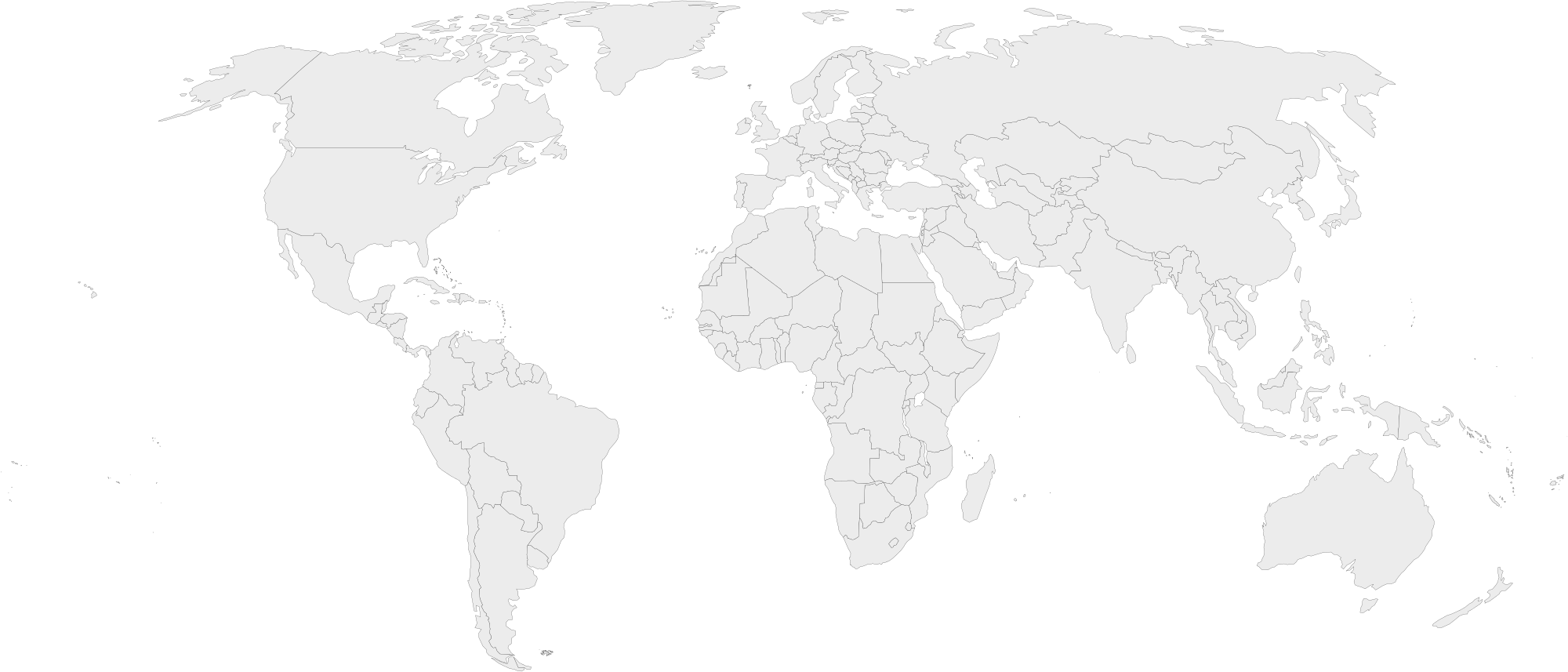
Toronto, Canada
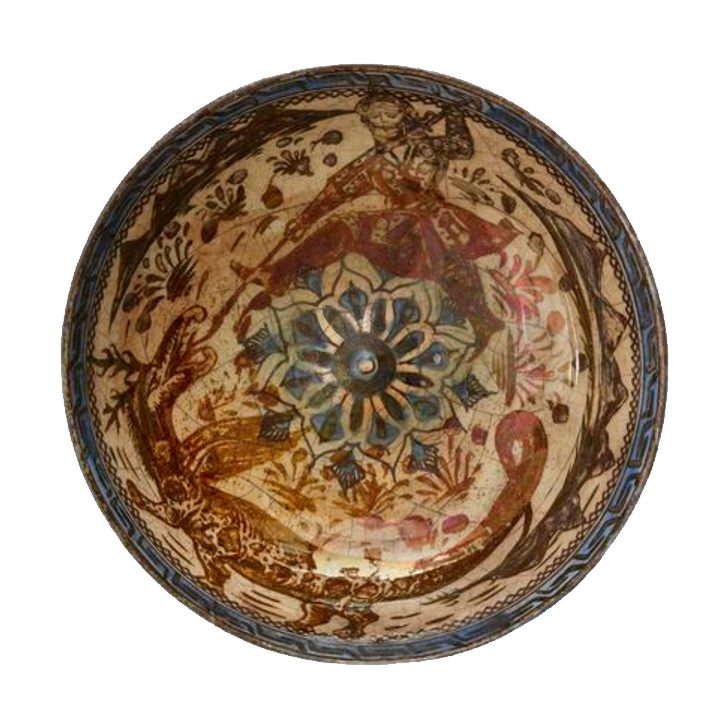
Aga Khan Museum
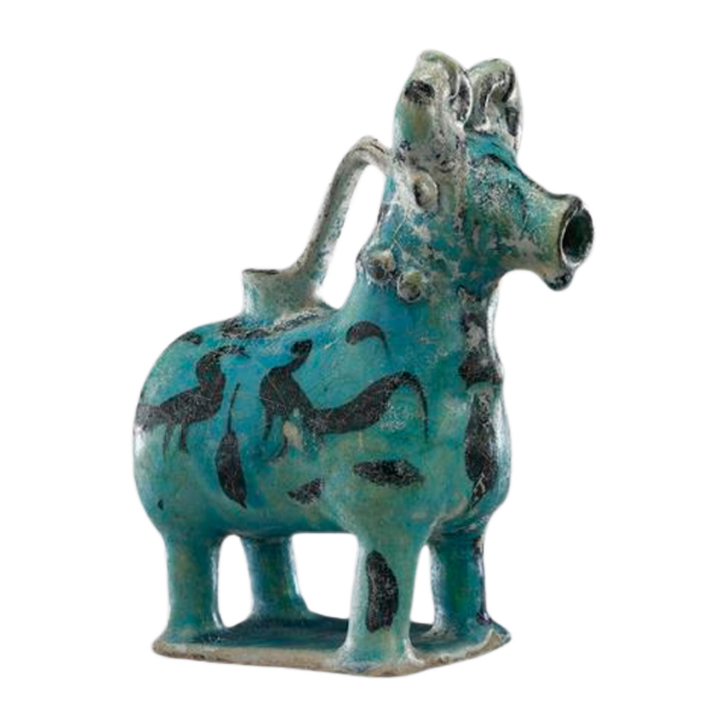
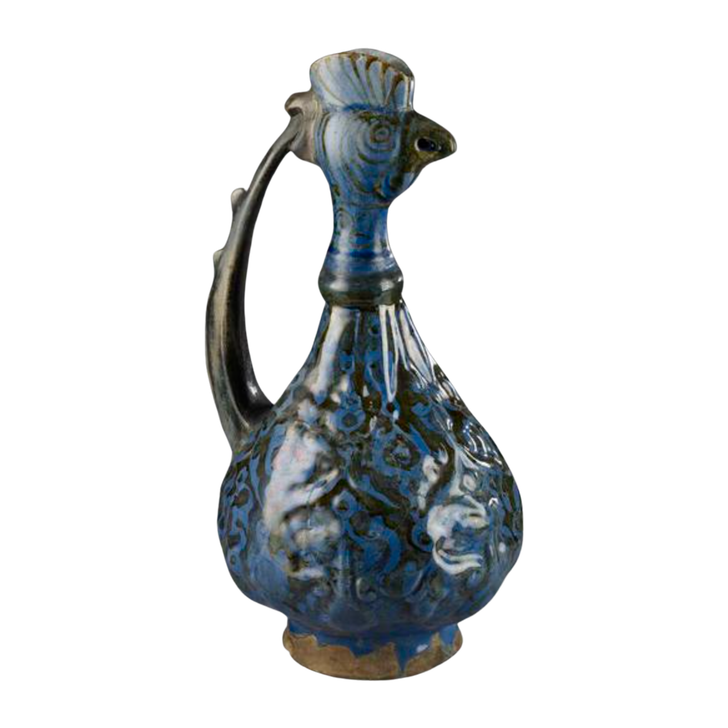
New York, USA
The Metropolitan Museum of Art
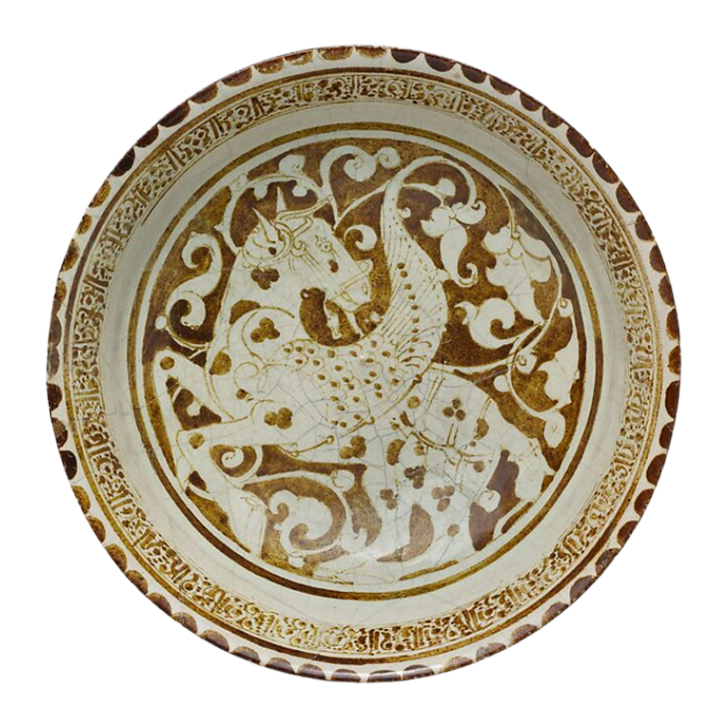
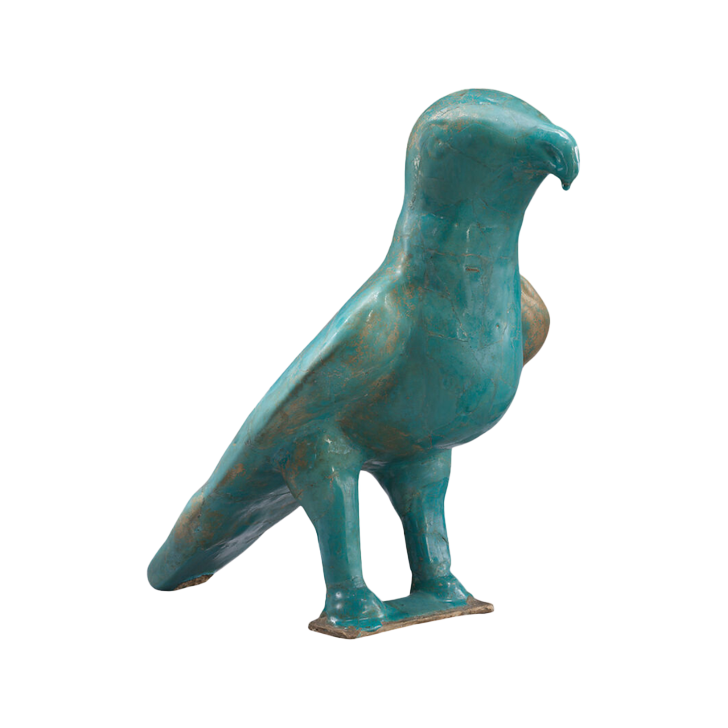
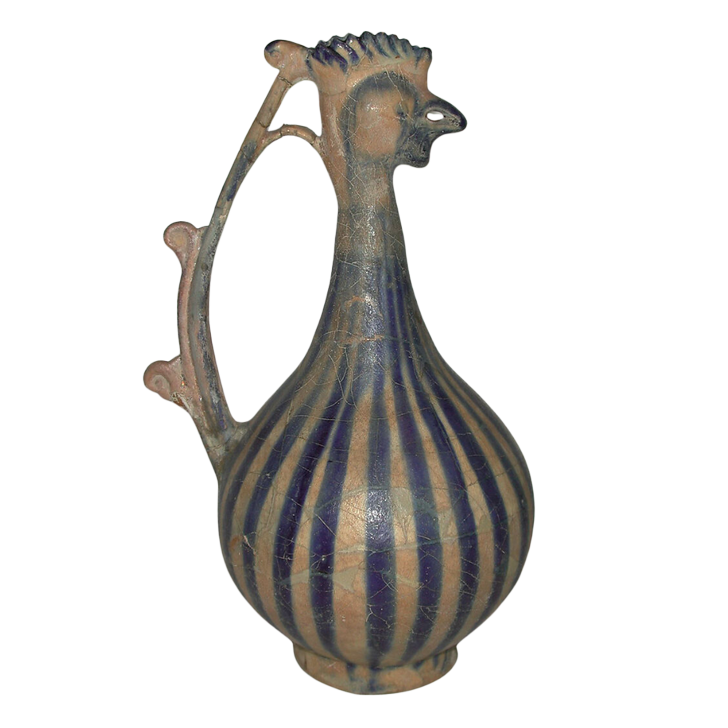
London, UK
The British Museum
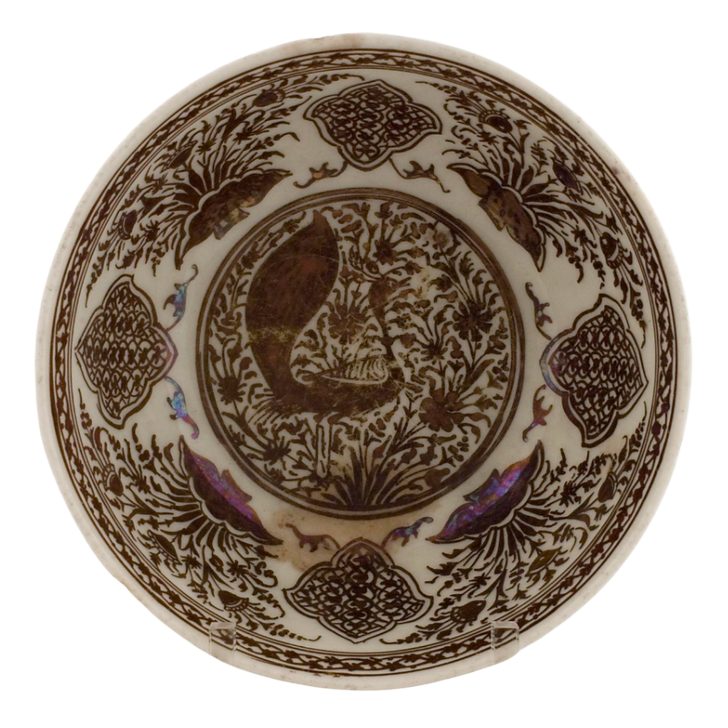
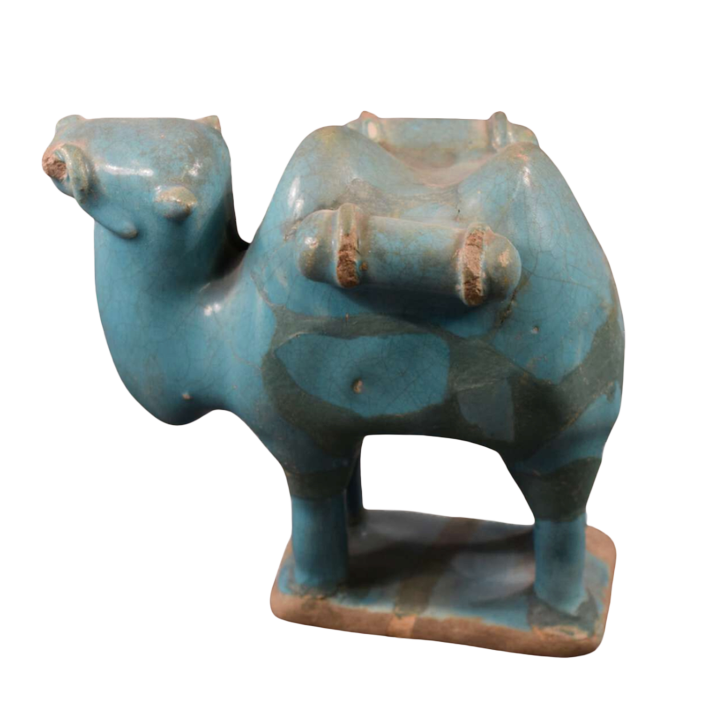
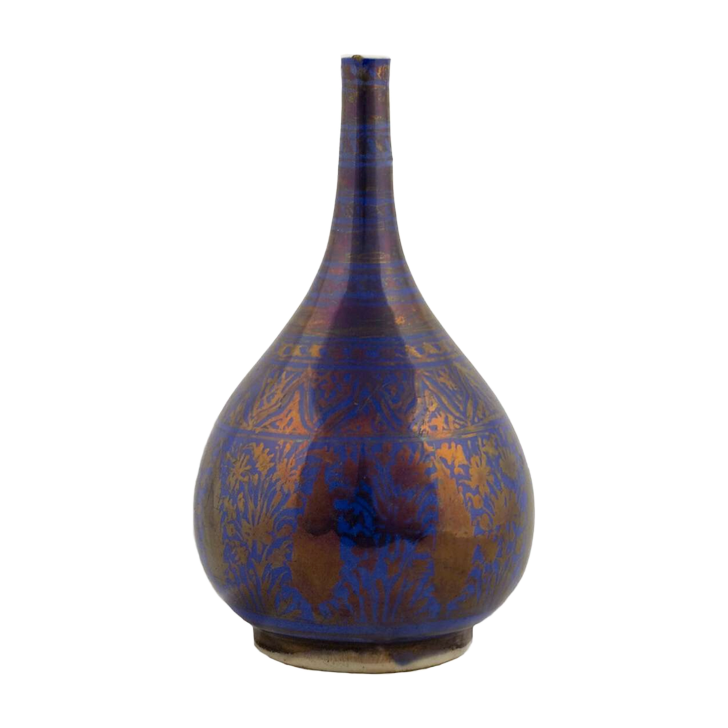
Montreal, Canada
Montreal Museum of Fine Arts
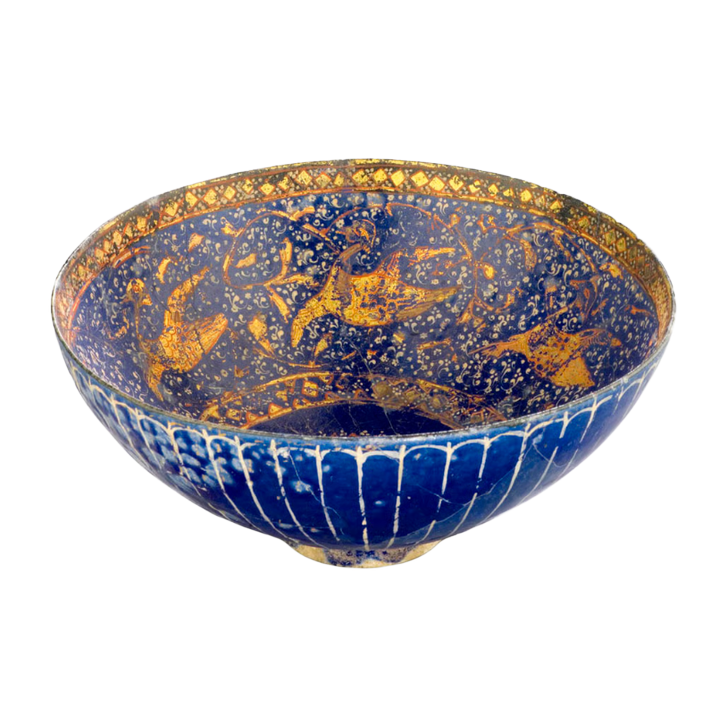
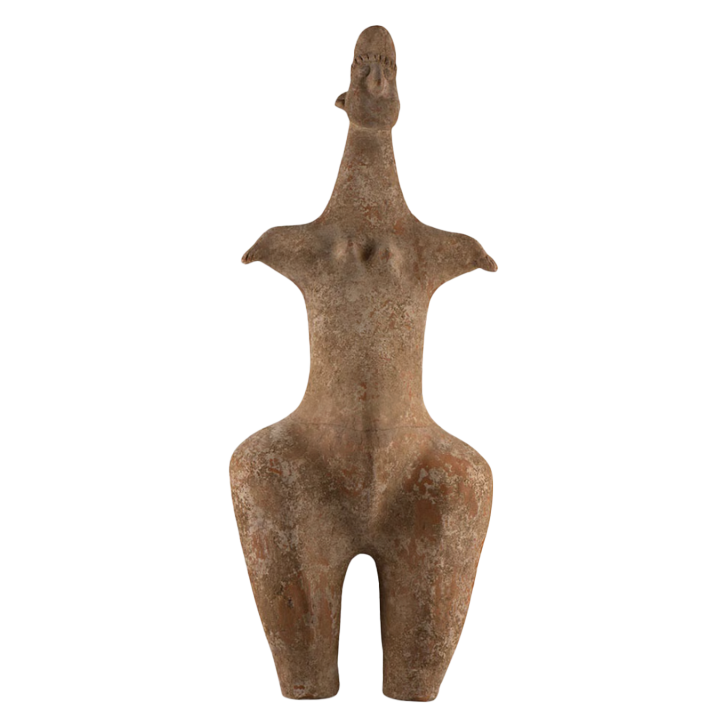
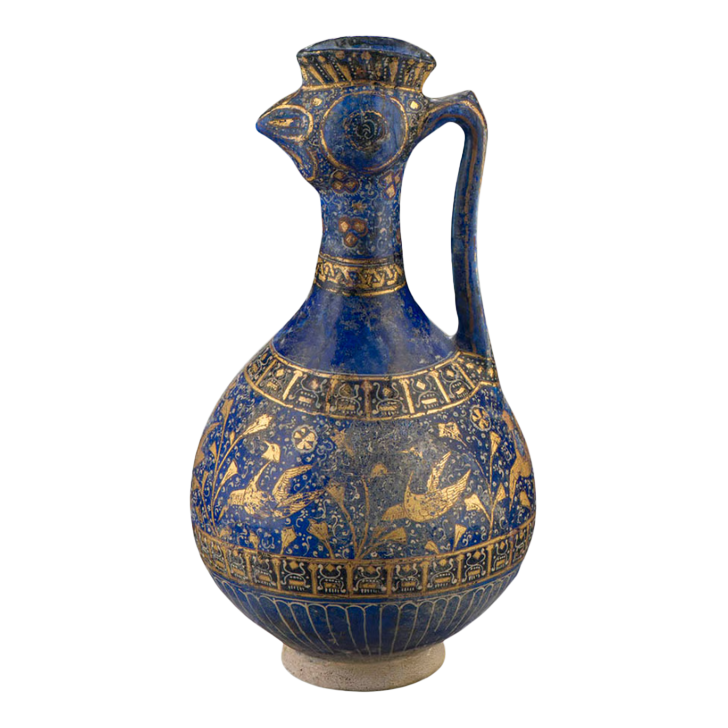
Across museum collections and online archives, Iranian ceramics appear in scattered ways; here a bowl, there a sculptural vessel, elsewhere an ewer or tile; each displayed through different institutional languages and priorities. These works exist across the global museum landscape, yet they often receive limited interpretation: celebrated for technique, grouped under broad cultural categories, or presented with labels that do not fully reflect their artistic or cultural significance. This exhibition begins by asking why.
How have Iranian ceramics been framed, categorized, and displayed within museum collections, and what do these framings reveal about the systems of knowledge, colonial influence, and aesthetic hierarchies that shape art history?
Rather than approaching these objects as decorative pieces or archaeological data, this exhibition invites you to encounter them as expressions of cultural imagination, material expertise, and artistic intention. Iranian ceramic traditions; spanning lustreware, stonepaste, underglaze painting, and sculptural forms; reflect centuries of experimentation and aesthetic innovation. Their motifs, proportions, and surfaces carry stories shaped by poetry, mythology, ritual, and everyday life.
The twelve works shown here originate from four institutions: the Montreal Museum of Fine Arts, the Aga Khan Museum, the Metropolitan Museum of Art, and the British Museum. In their original museum settings, these objects are dispersed across continents, separated by institutional contexts, collection histories, and curatorial frameworks. Seen apart, their connections can remain obscured. This digital exhibition brings them together into a shared environment, allowing relationships between form, symbolism, and technique to emerge more clearly.
Placed side by side, these objects begin to speak across time and geography. Bowls that manipulate light through pierced surfaces resonate with the metallic luminosity of lustreware. Sculptural aquamaniles shaped as bulls, roosters, and human figures reveal a long figural tradition that challenges assumptions about Islamic art. Ewers associated with Kashan workshops demonstrate a balance of functionality, elegance, and symbolic intent. Together, they reveal a rich and evolving ceramic language that extends far beyond the limits of traditional museum categories.
A key feature of this exhibition is the juxtaposition of each object’s institutional label with a rewritten interpretation. These new texts do not erase the originals; instead, they open space around them. By expanding on cultural context, material meaning, and symbolic depth, the rewritten labels invite visitors to consider how museum language shapes what becomes visible and what remains unspoken.
Reframing Iranian Ceramics asks viewers to rethink how Iranian ceramics can be understood when freed from inherited classifications. Instead of accepting categories like “Islamic art,” “decorative object,” or “archaeological artifact,” the exhibition encourages a more grounded and accountable approach, one that acknowledges how colonial collecting and cataloguing practices have shaped interpretation, and how cultural specificity can offer new ways of seeing. Here, Iranian ceramics are not supporting details within a larger narrative; they are the narrative.
Framing, categorization, and institutional narratives